
Saturation Erodes Desire
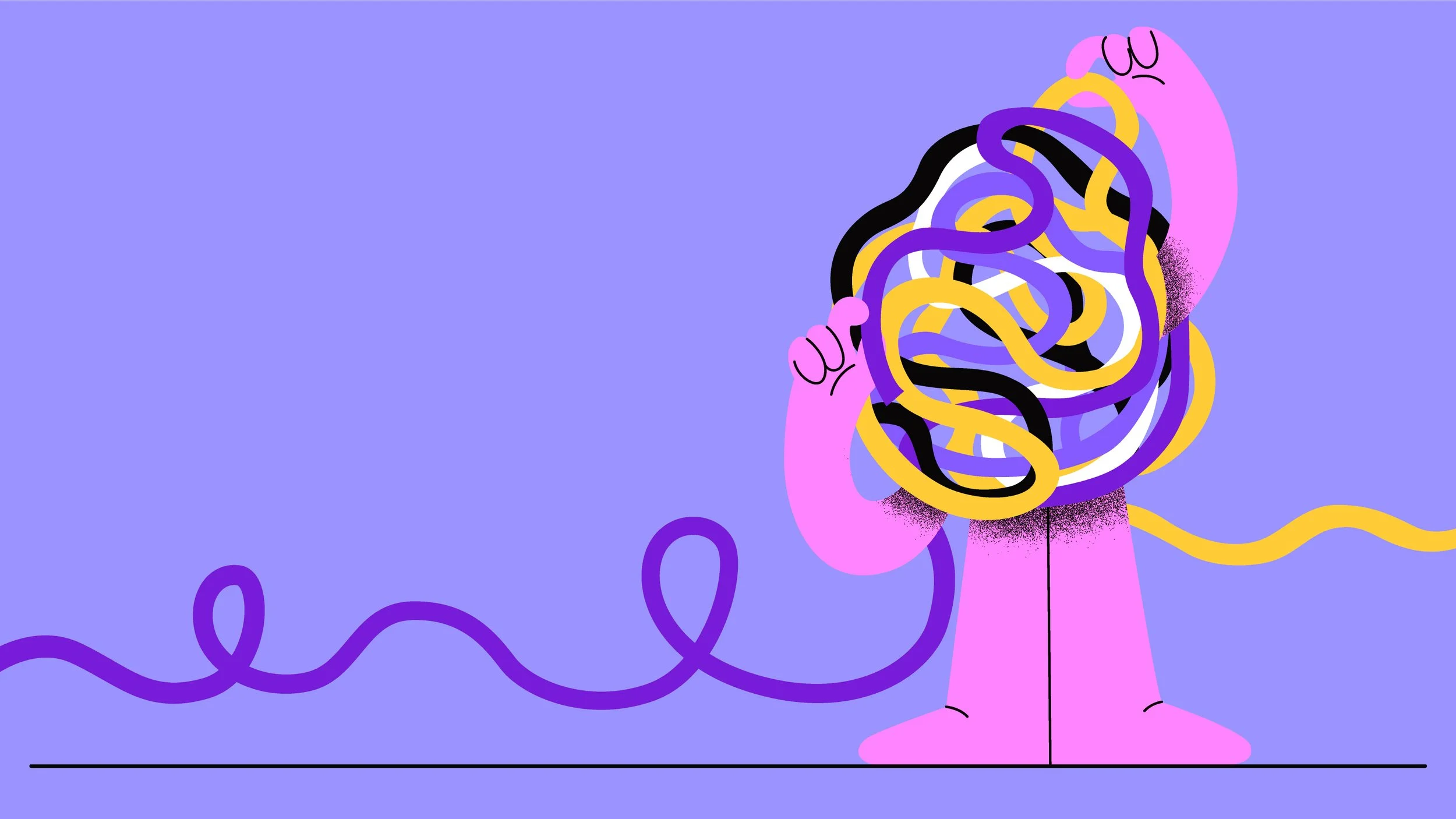
We live in a time where almost everything is available all the time. Food, clothing, music, shows, inspiration, luxury, opinions, bodies, experiences. Never before have we had so much access — and yet desire has rarely felt this exhausted.
The algorithm promised to democratize access, and in many ways, it did. Today we can browse restaurants in Tokyo from our beds, buy the same jacket someone is wearing in Copenhagen, and tour Italian villas through a thirty-second reel. Cultural distance collapsed. The entire world now fits inside a screen. But something strange happened in the process: the more visible everything became, the less special it started to feel.
Saturation did not simply change the way we consume; it changed our relationship with desire itself. Excessive access transformed immediacy from an occasional luxury into a permanent expectation. Waiting became intolerable. Anticipation, unnecessary. Mystery, a flaw in the system.
And perhaps this is one of the strangest contradictions of contemporary digital capitalism: it surrounded us with infinite possibilities while slowly eroding our ability to genuinely desire them.
Because when everything becomes immediately available, something of its emotional value also disappears. Waiting used to build a narrative. Distance produced imagination. Even absence carried symbolic weight. Not seeing something all the time was part of its charm. There were experiences, places, and even people that retained a certain ability to surprise precisely because they were not constantly circulating in front of us.
“What a joy it is to miss something, anticipation building as you wait for its return,” wrote Julius Roberts in his chapter Seasonality and Seasoning. And perhaps that sentence captures something the internet forgot in its obsession with absolute availability: part of the pleasure always existed in waiting for something to return.
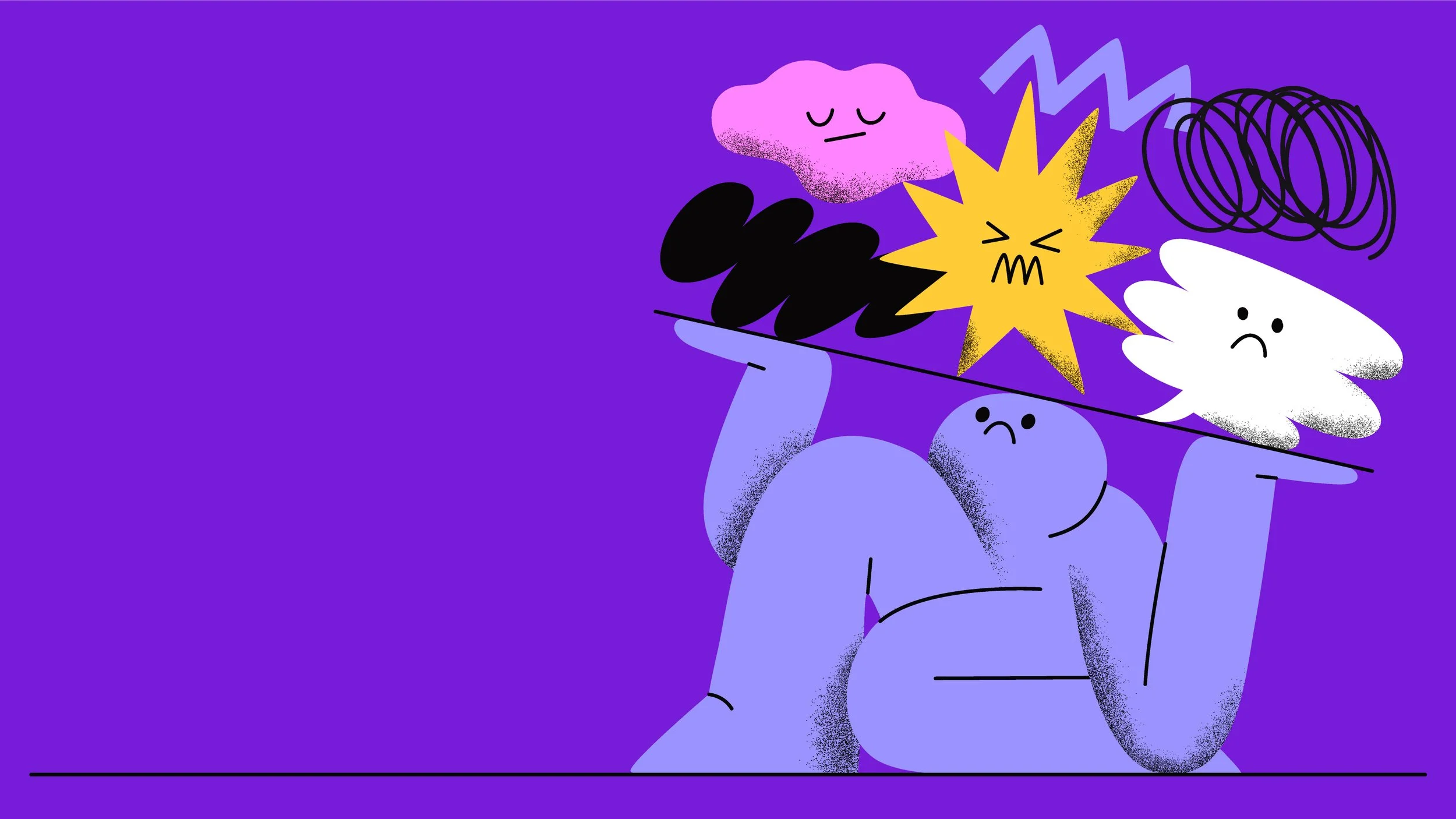
For years, consumption was deeply tied to waiting. Not only because things were harder to obtain, but because distance — physical, economic, or symbolic — was part of their meaning. Some songs only played at certain hours on the radio, recipes tied to specific seasons, magazines that took weeks to arrive, and cities that existed only in the imagination until one could finally walk through them in person. Desire needed time to build itself.
Today, by contrast, we live inside a constant flow of availability. Platforms no longer simply organize information; they organize desire. The algorithm quickly learned that the most effective way to hold our attention was not by satisfying us, but by continuously producing new aspirations. We no longer consume only objects; we consume possibilities of identity. The perfect kitchen, the ideal routine, the right body, the right home, the right trip, the right life.
And the more we see, the more homogeneous everything begins to feel. The same minimalist cafés, the same beige-toned apartments, the same curved shelving, the same destinations transformed into content, the same aesthetics endlessly recycled under different names. The internet promised hyper-individuality, yet it often ended up producing a strange standardization of desire.
Perhaps the problem is not simply excess consumption, but the speed at which symbols circulate. For decades, luxury, taste, and certain cultural codes functioned through distance: not everything was visible, accessible, or instantly reproducible. Part of their value existed precisely in their ability to distinguish.
Pierre Bourdieu understood taste as a form of symbolic capital — a subtle tool of social differentiation. Objects never communicate utility alone; they communicate belonging, education, aspiration, and cultural position. In the digital era, however, these symbols no longer remain stable. They circulate massively, replicate at algorithmic speed, and quickly lose their distinctive power.
First class flights, the hidden restaurant, the “secret” hotel, the Old Money aesthetic, ceremonial matcha, linen kitchens with pale wood interiors. The moment something begins to accumulate symbolic value, the internet reproduces it until it becomes familiar. And when everyone seems to participate in the same visual and cultural codes, distinction itself begins to erode.
The Symbolic Inflation of Desire
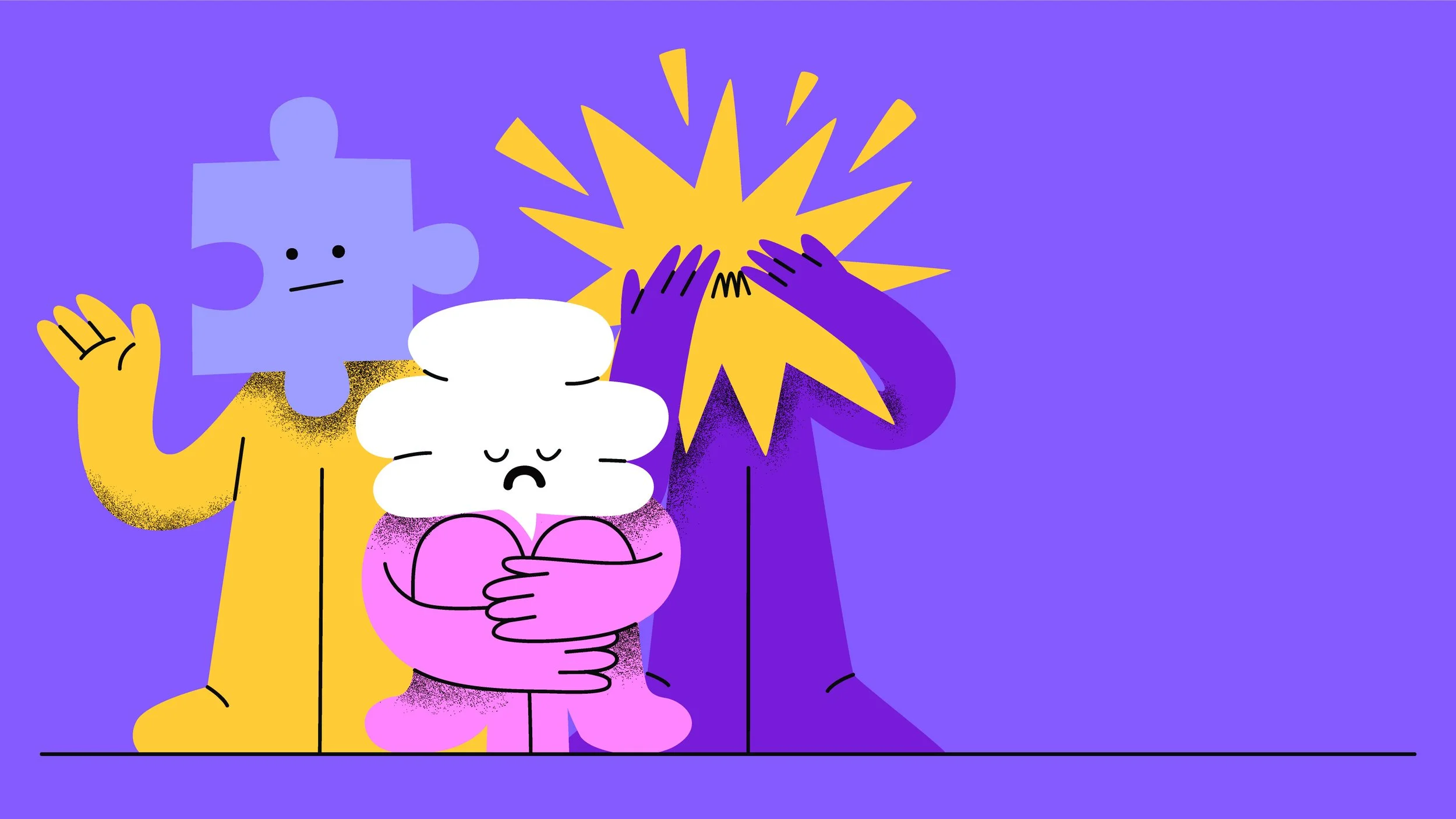
Jean Baudrillard argued that contemporary societies consume signs more than objects. We do not simply buy things; we buy what those things represent. But within an ecosystem saturated with images, even signs begin to wear out. Hyperexposure creates a kind of symbolic inflation: the more a symbol circulates, the more it loses its ability to generate distinction.
The algorithm accelerates this process constantly. What felt exclusive yesterday already exists today as a template, a trend, or a TikTok tutorial. Digital logic needs to reproduce desire endlessly, because a desire satisfied for too long stops generating consumption.
And perhaps that is why contemporary aesthetics seem trapped in a strange paradox: never before have we had so many ways to construct identity and, at the same time, rarely have identities begun to resemble one another so closely.
Contemporary experience no longer feels complete until it is shared. Trips, dinners, concerts, routines, relationships, even moments of rest: much of digital life now unfolds under the logic of permanent documentation. As though experiencing something were no longer enough without its corresponding circulation through images.
Guy Debord described the society of the spectacle as a historical condition in which representation progressively replaces direct experience. We no longer simply live things; we observe them, edit them, and transform them into visual narratives for others. Life stops feeling entirely real until it becomes visible.
Social media pushed that logic into the intimate and everyday. Today we do not merely consume images; we learn to construct ourselves through them. We cook while imagining how the kitchen will look online. We travel already envisioning the carousel before the memory itself. We design spaces, routines, and even entire personalities according to the demands of digital legibility.
And although the internet promised authenticity, it often ended up standardizing even spontaneity. “Real life” also began to require the correct aesthetic, lighting, and format.
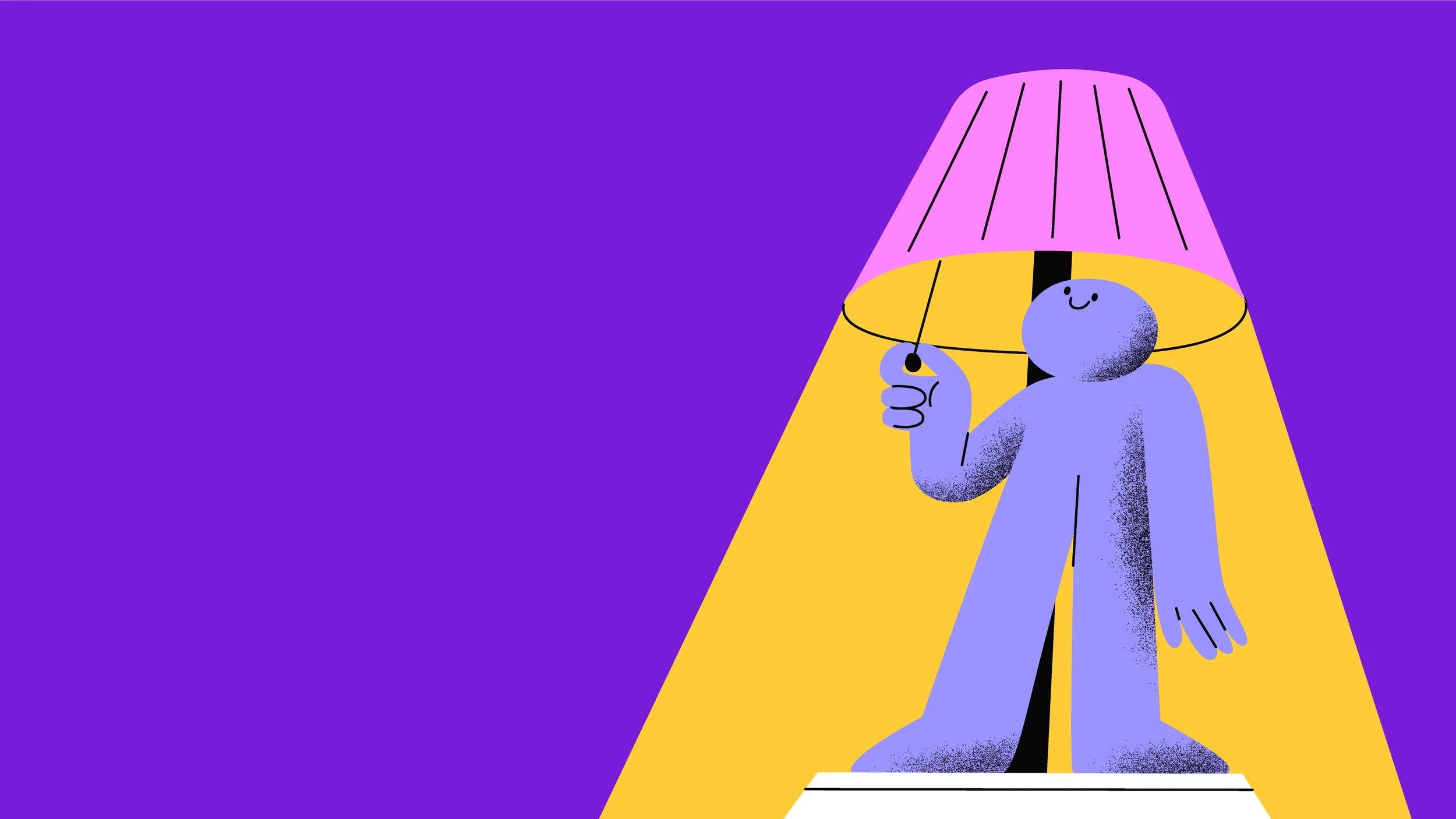
Byung-Chul Han writes that contemporary hypertransparency progressively eliminates mystery, distance, and negativity. Everything must be shown, communicated, and made immediately visible. And within that dynamic, another form of exhaustion emerges: when every experience is constantly placed into circulation, it loses part of its ability to feel intimate, unrepeatable, or genuinely present.
The paradox is uncomfortable. Never before have we documented our lives so extensively, and yet many people feel increasingly unable to fully inhabit them. Because there is an enormous difference between living something and symbolically producing it for the consumption of others.
Gilles Deleuze understood desire not as a simple lack, but as a productive force. Desire constructs realities, relationships, identities, and ways of living. This is one of the most significant transformations of contemporary capitalism: it no longer needs to limit itself to selling objects; it can continuously produce new ways of desiring.
The algorithm does not simply organize information; it also organizes aspirations and shapes imaginaries. It constantly exposes us to lifestyles, bodies, spaces, and experiences that gradually become permanent references for what we are supposed to want.
But when desire enters a state of constant stimulation, it also begins to exhaust itself. Saturation creates hyperexposed consumers, though not necessarily more fulfilled ones. We see more, consume more, and desire more rapidly, often with less clarity about what is genuinely our own and what has merely been repeated enough times to feel indispensable.
Perhaps that is why one of the most difficult questions of contemporary life is no longer what we can consume, but what we are still capable of genuinely desiring.
Because in a culture where everything circulates, everything reproduces itself, and everything competes for attention, recovering discernment begins to feel almost countercultural. Choosing what is truly worth looking at, buying, sharing, or even longing for. Perhaps the new luxury is not access to more things, but preserving the ability to desire consciously.
