
Two people leave the countries where they were born and build a life somewhere else. One may become an expat. The other, an immigrant.
The words are not perfect equivalents. People migrate for different reasons, under vastly different economic circumstances, and their experiences cannot easily be contained within a single category. But the choice of one word over another is not always innocent either.
Expat can evoke mobility, choice, cosmopolitanism. Someone who arrived because they wanted to, who works from a café, learns a few words of the local language and turns the experience of living abroad into part of their identity.
Immigrant can summon a different set of associations: necessity, work, adaptation, integration. Someone who arrived in search of opportunity and who, sooner or later, is expected to find their place within the society that received them.
Both crossed a border.
What changes is not simply the movement itself. What changes is how we read the person who made it. Something similar happens with objects, places and ways of living.
A technique can be craft or craftsmanship. A surface can be worn or have patina. A house can be old or have heritage. A way of life can look precarious until someone calls it slow living. A recipe born of necessity can, under different circumstances, become rustic cuisine. These are not exact synonyms, nor do they need to be in order to reveal something.
Language does more than describe what we see. It also organises the value we are prepared to find in it.
Some objects seem to enter the world with prestige already attached to them, while others need to be discovered, reinterpreted or legitimised before we learn to admire them. Some aesthetics can present themselves simply as good design, while others remain accompanied by an explanation of where they come from. Some ways of living are associated with sophistication when they belong to certain people and with backwardness when they belong to others.
The question, then, is no longer simply why we like certain things. We should also ask who had the authority to teach us that they were worth liking in the first place. Taste was not formed on equal terms.
For centuries, some cultures had far greater power than others to name, classify, document, exhibit and export their own codes. Their particular ideas of beauty, refinement and sophistication were able to travel far enough, and with enough authority, that they eventually stopped appearing particular at all.
They became references. Then standards. And, in some cases, simply good taste. We did not only learn which things were beautiful.
We also learned who had the authority to call them beautiful.
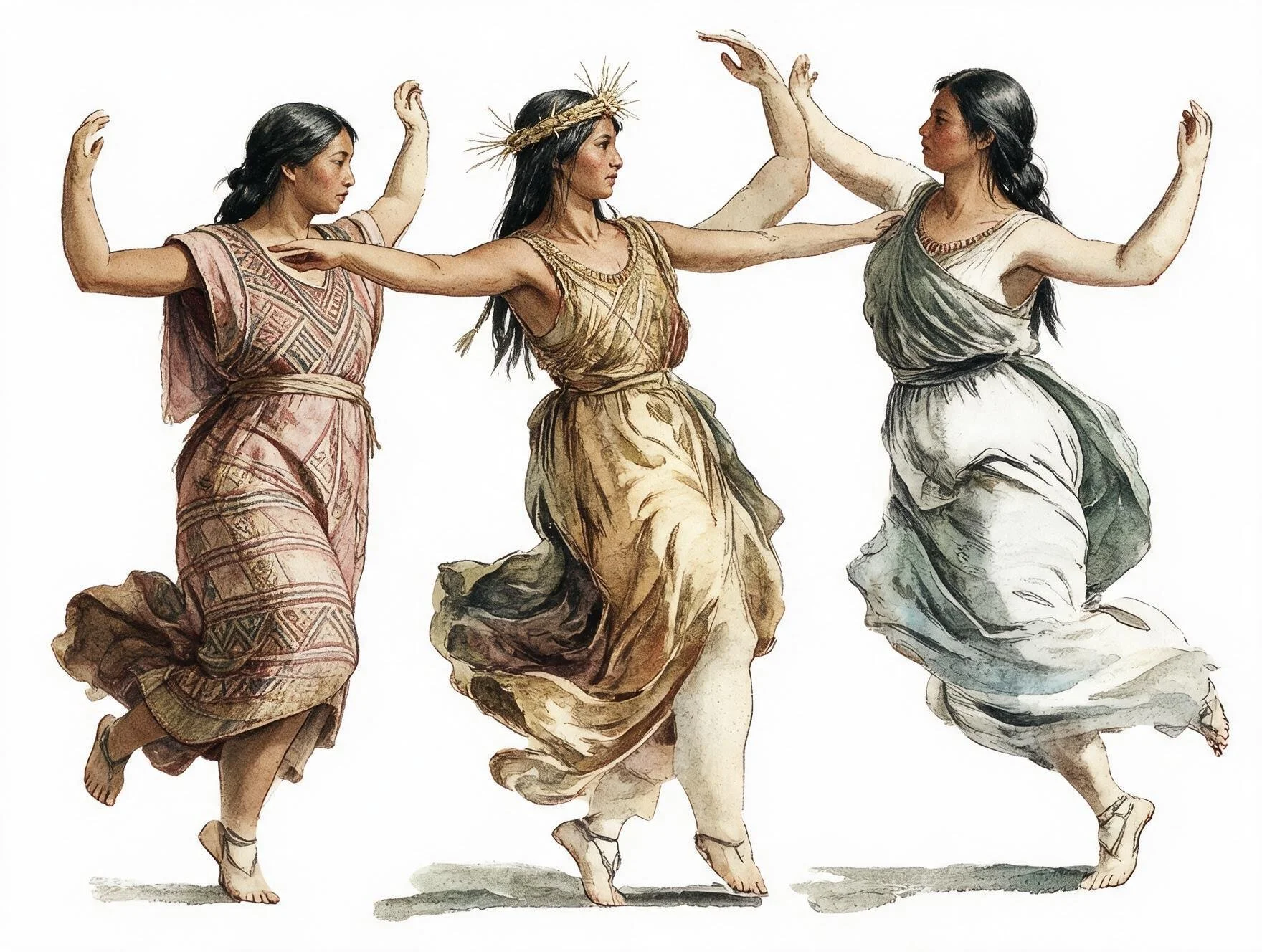
When the Local Stops Looking Local
All design comes from somewhere. The Bauhaus was born in Germany. Scandinavian design emerged from histories, materials, climatic conditions and ways of life specific to Northern Europe. French luxury houses did not emerge from a cultural vacuum. Neither did Italian tailoring.
Some of these traditions have circulated for so long, and with such authority, that their origins can become secondary.
We can walk into a space with pale walls, wood, simple lines and few objects and describe it as good design without necessarily asking what cultural history turned those choices into markers of sophistication. We can admire a European object as timeless without feeling that we are consuming a regional expression.
Its origins are still there. They simply no longer need to introduce it.
By contrast, we speak of Latin American design, Mexican craft, Andean textiles, Indigenous techniques or tropical architecture. Place appears before the object. Provenance becomes a category through which it is explained, contextualised and, often, marketed.
Separating an object from its origins can erase precisely what gives it meaning. Provenance matters. The question arises when we notice who requires context and who is allowed to do without it.
An object produced within certain cultural traditions can circulate simply as design. Another circulates as Latin American design.
One can be contemporary.
The other, contemporary Mexican.
One can be luxury.
The other, artisanal luxury.
The distinction may seem small, but it reveals an important hierarchy: some cultures have managed to make their particular codes function as universal categories, while others continue to be interpreted through their provenance.
Even the word craft reveals part of this tension.
A handmade object can be read very differently depending on where it is produced, whose name is attached to it, where it is sold and what language surrounds it. It can belong to a folk tradition, become a piece of design, enter a gallery or appear in the collection of a luxury house.
The technique itself may remain almost entirely unchanged.
What changes is the system that assigns meaning to it.
Cultural value does not reside solely in objects. It also lives in the institutions, narratives and people capable of shaping how we interpret them.
Sometimes, what has always been close to us needs to travel far enough away before we are able to see it differently.
When it returns — in a magazine, a gallery, a restaurant, on a runway or in a carefully designed shop — it can appear transformed even when almost nothing about the object itself has changed.
The frame changed.
Who named it changed.
Who decided it deserved our attention changed.
One of the most profound forms of cultural power may be precisely this: not having to explain where something comes from for the world to know how much it should be worth.
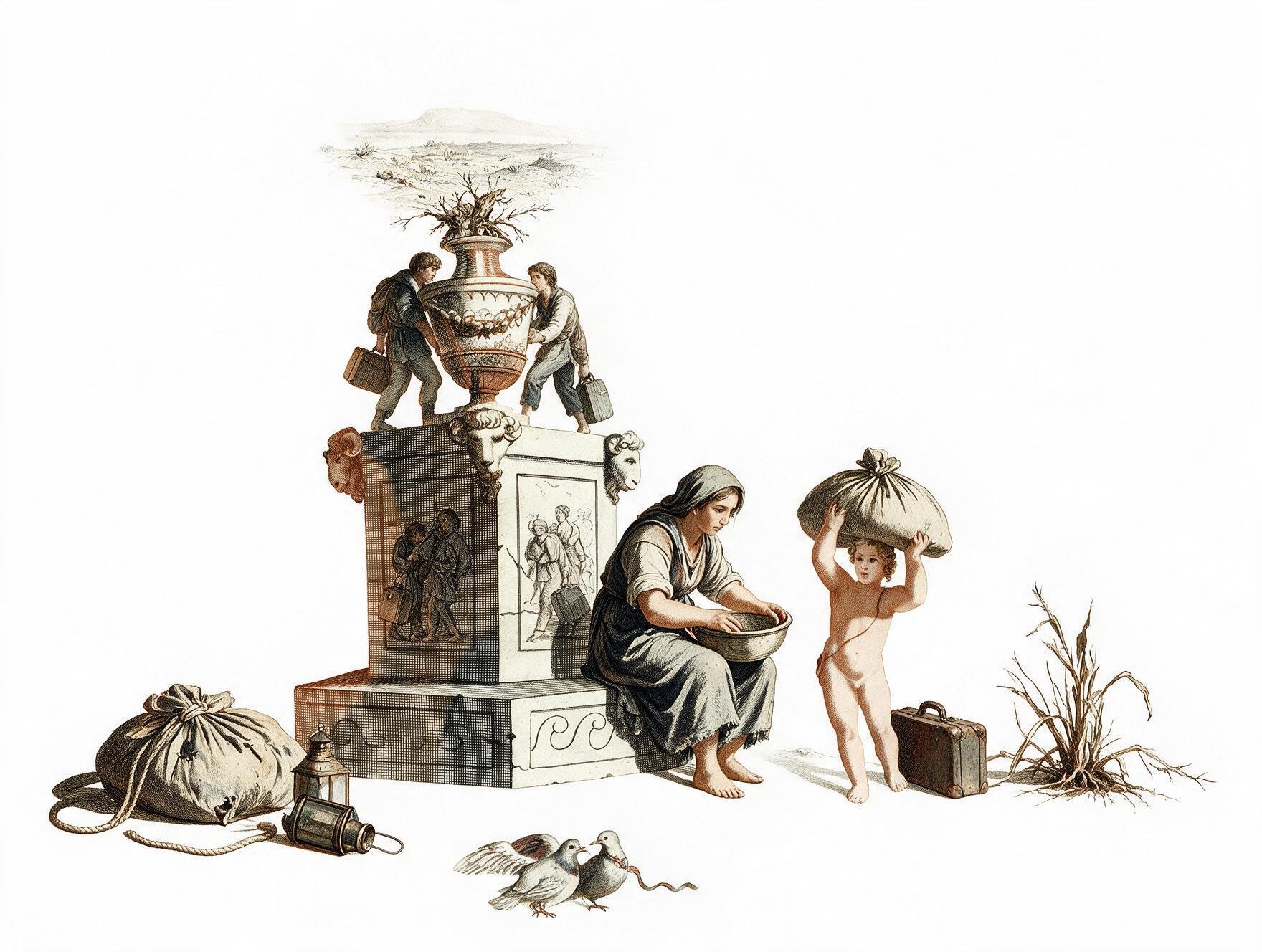
Expat, Immigrant and the Prestige of Moving
Objects are not the only things whose meaning changes with context. So do we.
Expatriate, migrant and immigrant can describe profoundly different experiences. Moving abroad with an international contract and a return date is not the same as leaving a country because staying is no longer an option. Nor is crossing a border with a passport that opens doors the same as crossing it with one that constantly requires you to prove why you have the right to enter.
Material differences, however, do not fully explain the differences in language.
The word expat tends to inhabit a particular imaginary. Professionals working abroad, international communities, bilingual schools, temporary flats, remote jobs, cultural discovery. Migration is narrated as experience: a life expanded through movement.
Immigrant carries a different history. Work, adaptation, documents, integration, belonging. The person does not simply arrive somewhere else; they are often expected to justify their presence within it.
The border may be the same. The prestige of crossing it is not necessarily so. It is worth noticing who gets to retain their identity when they move and who begins to be defined by the movement itself.
A French person can live in Mexico City for years and remain, above all, French. A Salvadoran in Paris may discover that a new category begins to precede many of the others: immigrant.
This does not always happen, nor does it happen in the same way. Class, nationality, profession, language, race, immigration status and economic power all shape how someone is read. That complexity reveals that moving is never simply a matter of movement.
What also matters is where you arrive from, and how much prestige travels with what you represent.
Some nationalities are associated with cosmopolitanism. Others with economic migration. Some accents retain their charm beyond their borders; others become obstacles to be softened. Some foreigners become more desirable because of their cultural difference, while others are expected to minimise theirs in order to integrate.
Even our relationship with place can change depending on who inhabits it.
Living far from a city can signify isolation or retreat. Working from a small village can suggest a lack of opportunity or a deliberate decision to leave the pace of urban life behind. Growing food, repairing things, baking bread or living with less can signal necessity in one person and lifestyle choices in another.
The practices are not identical, and circumstances matter. The pattern is still worth examining: choice carries a kind of prestige that necessity can rarely afford.
Many of the aesthetics now associated with slower living become aspirational when they appear voluntary.
The rural can become the countryside. Austerity, simplicity. Making things by hand, a craft. An old house, heritage. A life away from urban centres, an escape.
None of this makes those choices false. Someone can genuinely want a simpler life, cook with ingredients from their garden or leave a city because they would rather hear birds than traffic.
It is simply worth remembering that what we admire as a choice in some people may have been read as limitation in others for generations.
Here, taste meets power once again.
Sophistication does not always transform the practice. Sometimes, it transforms only whom we imagine practising it.
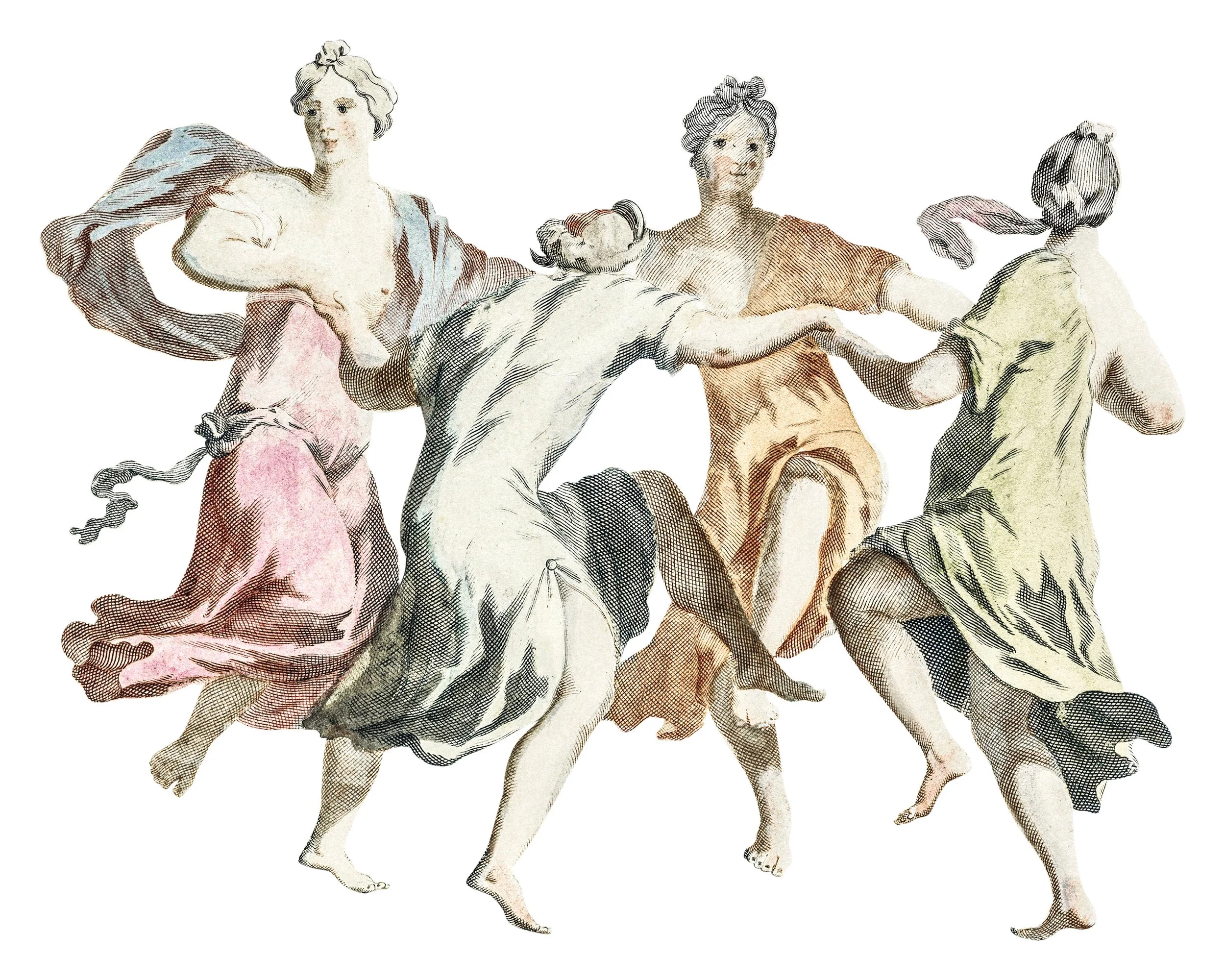
The Moment of Legitimation
Value does not appear when something changes. It appears when the person looking at it does.
A technique can exist within a community for generations. An ingredient can be part of a region’s everyday diet. A material can be used for decades in homes, markets or public spaces. None of this guarantees that those who live alongside them will consider them valuable. Familiarity can even produce the opposite effect.
What is too close to us can appear ordinary. What belongs to everyday life rarely requires explanation and, precisely because of that, can remain outside the systems that construct prestige.
Until the context changes.
A technique appears in the collection of an acclaimed designer. An ingredient enters the kitchen of an internationally celebrated restaurant. An object arrives in a gallery. A house is photographed for an architecture magazine. A material associated with vernacular or working-class construction reappears within a carefully conceptualised project.
Then we begin to use different words.
Design.
Heritage.
Innovation.
Gastronomy.
Luxury.
The object may have changed very little. Its cultural position, enormously.
Not every reinterpretation is appropriation, nor does international recognition automatically undermine the legitimacy of what it recognises. Cultural exchange produces new ideas, preserves techniques, creates markets and allows traditions that might otherwise disappear to find new forms of continuity.
The question lies elsewhere. Why do some things need to be legitimised before those who have always lived alongside them can recognise them as valuable? The answer cannot be reduced to collective cultural insecurity. Prestige requires infrastructure.
It requires institutions that select, media that document, experts who explain, markets that assign prices and audiences that learn to recognise those signals. A gallery does not physically alter a piece when it decides to exhibit it, but it changes the context from which the piece will be seen. A restaurant can take an ingredient known for centuries and place it within a narrative that changes its position. A brand can take a familiar technique and surround it with design, photography, language and distribution until it becomes legible to a different kind of consumer.
Value does not appear magically.
It becomes visible within a system that knows how to represent it.
And this is where brands occupy an uncomfortable position.
Branding can help preserve provenance, recognise craftsmanship and build markets capable of sustaining it. It can also edit a story until it becomes more comfortable for the consumer willing to pay for it. It can tell us who made something while deciding which parts of the maker’s story are attractive enough to tell.
A technique may retain its Indigenous name because it lends authenticity. A material may preserve its imperfections because they now communicate craftsmanship. A recipe may foreground its rural origins because the story adds value to the experience.
What could once have been used as evidence of backwardness can return as proof of authenticity.
Some cultural expressions acquire prestige when they become capable of satisfying the very gaze that once considered them inferior. That gaze does not have to come from elsewhere.
Local elites participate in the process too. They adopt international codes, decide which restaurants to frequent, which architects to publish, which objects to collect, which neighbourhoods to rehabilitate and which versions of their own culture are refined enough to incorporate into their lives.
The hierarchy cannot be comfortably explained as a story of “them” and “us”. We learned to administer it too.
We can overlook for years what we associate with the everyday, the rural or the popular, only to reconsider it when it appears under a new name, in a different space or accompanied by a price that tells us we should be paying attention.
At that point, what has changed is not only our perception of the object.
What has changed is who gave us permission to admire it.

We Learned to See This Way Too
It would be comforting to think that these hierarchies belong to the past, that they were built by empires, museums, academies and distant markets, and that we simply inherited their consequences.
Taste needs more than institutions to survive. It needs people willing to reproduce it.
We do so when we walk into a house and know, almost immediately, which materials look expensive to us and which look cheap. When we hear an accent and assign to it education, sophistication or social background. When a way of dressing appears elegant on one body and excessive on another. When certain surnames, neighbourhoods, schools, restaurants or destinations activate associations we learned long before we ever thought to ask where they came from.
We do not need to know the history of these hierarchies to know how to use them. That is precisely what makes them so effective. Taste works best when it feels like intuition.
We say something simply looks refined. That a place has class. That a certain combination looks common. That someone has good taste. These categories appear so naturally that we rarely need to explain the system of references we are using to arrive at them. Even what feels instinctive has a memory.
In Latin America, that memory is also shaped by our own class structures. Local elites have not been passive spectators of imported systems of prestige. For generations, they have selected, adapted and reproduced codes that distinguish who belongs, who aspires to belong and who remains outside.
That is why certain contradictions can exist without appearing strange to us. We can celebrate manual craftsmanship when it bears a designer’s name and look down on it when it comes from a market vendor. We can admire a house built with local materials when it appears in an architecture magazine and associate similar materials with precarity a few streets away. We can pay for a dining experience that revives a traditional recipe while continuing to regard as ordinary the place where that recipe never stopped being made.
These are not necessarily the same objects, spaces or experiences. Design, execution, context and quality matter.
So does who holds the authority to change how we read them.
That authority can exist right here.
In a magazine.
In a university.
In a gallery.
In a restaurant.
In an agency.
In a family.
In the social group we want to belong to.
It can even exist within us.
Every time we design a brand, select references for a project, describe an aspirational audience or construct the language around a product, we participate in decisions about value.
We choose what to photograph.
What to conceal.
Which words to use.
Which story to tell.
Which parts of an origin to emphasise and which to soften.
What should feel exclusive, authentic, contemporary, artisanal or sophisticated.
Branding operates within these hierarchies.
It can expand what a society considers valuable, build new references and make visible stories that were once excluded from spaces of prestige. It can also reproduce the same codes again and again until we become convinced that sophistication can only look a certain way.
This is where one of the less discussed responsibilities of our work begins to emerge.
We do not simply help people decide what to buy. We also participate in constructing the vocabulary through which they learn to recognise what has value. That requires us to look at our own references with a little more suspicion.
When we say a brand needs to look more premium, what exactly are we asking for?
When we want something to feel international, what images appear first in our minds?
When we talk about elevating a category, where exactly do we imagine it needs to rise?
When we ask for an identity to feel more sophisticated, what are we removing in order to achieve it?
The answers do not need to shame us.
They should interest us. A cultural hierarchy reaches one of its most stable forms when no one needs to force us to reproduce it anymore. We reproduce it because we learned to call it taste.
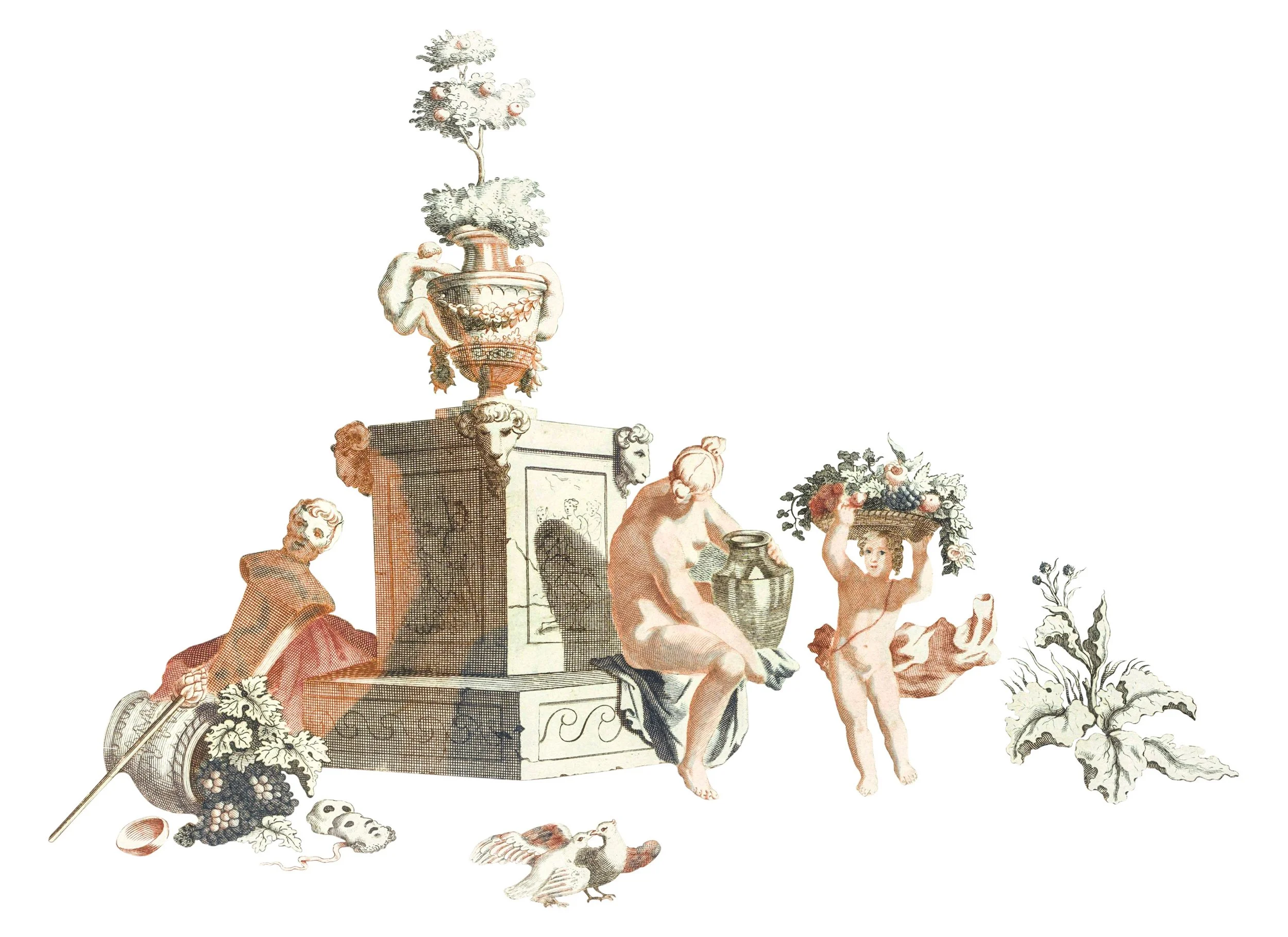
The Danger of Turning Everything into Identity
Once we recognise that taste is also shaped by historical hierarchies, an understandable temptation emerges: to reverse them. If we have spent so long looking towards certain cultural centres for sophistication, it might seem logical to correct the imbalance by deliberately turning towards what is our own. But changing what we place at the top does not, by itself, dismantle a hierarchy. Reclamation can become another form of simplification.
Latin America runs this risk often.
The region can quickly become a collection of saturated colours, lush vegetation, fruit, textiles, music, sensuality, tradition, nature and joy. An identity recognisable enough to travel well through a campaign, a runway, a restaurant or a design fair.
The result can be beautiful and, at the same time, profoundly limiting.
Latin America is not naturally colourful. Europe is not naturally restrained. No region possesses a coherent aesthetic personality. Both contain austerity and excess, cities and countryside, tradition and experimentation, silence and noise, wealth and precarity. Turning these differences into cultural temperaments makes the world easier to read, only to confine us within categories once again.
There is a particular irony in trying to escape an external gaze by constructing for ourselves precisely the identity that gaze expects to find.
Authenticity can then become another demand. A Latin American brand must look sufficiently Latin American. A restaurant must demonstrate provenance. A designer must incorporate recognisable codes from their territory. A work that could speak about anything at all ends up carrying the responsibility of representing the place where it was created.
What began as reclamation can become obligation. And the obligation to represent is itself a form of constraint.
It is not enough to make more visible the aesthetics that have historically been excluded from spaces of prestige. We must also allow them something that other cultural traditions have enjoyed for a very long time: the right to represent nothing beyond themselves.
A Salvadoran designer should be able to work with clay, local fibres or pre-Columbian references. They should also be able to design a steel chair without anyone asking where El Salvador is in it.
A Mexican architect can build from the material traditions of her territory and also become obsessed with concrete, geometry or technology without her work becoming any less authentic. Provenance can enrich a work. It should not imprison it.
Here, another form of cultural inequality emerges: some creators are granted the freedom to develop an individual voice, while others continue to be read as representatives of a collective identity.
Decolonising taste cannot mean replacing one list of references with another, nor turning the local into a moral obligation. If certain cultures held greater authority for centuries to determine what could be considered universal, requiring others to remain eternally particular would merely preserve another version of the same constraint.
Cultural freedom should make room for both. To remember where we come from. And to have the right to create something that does not have to explain where it comes from.
Decolonising Does Not Mean We Stop Desiring
Recognising that taste has a history can cast an uncomfortable suspicion over our own desires. If we learned to associate certain aesthetics with sophistication, if some cultures had greater power to turn their particular codes into universal references, and if we ourselves continue to reproduce some of those hierarchies, what are we supposed to do with the things we genuinely like?
We could begin interrogating every preference.
Do I actually like this architecture?
Do I admire this object for its design, or for what it represents?
Did I choose this brand because I find value in it, or because I learned to recognise its name as evidence of value?
Is my taste really mine?
The question leads towards an impossible search for purity.
There is no form of taste that predates culture to which we can return. Our desires are formed through experience, memory, aspiration, education, class, images, people and places. Learning to desire something does not make that desire false. Understanding where it came from does not require us to renounce it either.
Decolonising taste does not mean replacing one set of references with another, nor turning the local into a new moral obligation. It does not require us to stop admiring what comes from the cultural centres that, for centuries, held greater authority to define sophistication.
That would simply exchange one form of obedience for another. The more interesting possibility is to remove from taste its need for hierarchy.
I can admire a tradition without turning it into a standard against which others should be measured. I can recognise excellence in what comes from far away without requiring distance in order to recognise excellence in what is close to me. I can prefer an aesthetic without assuming that my preference is evidence of education, sophistication or cultural superiority.
This is where an important distinction emerges.
Taste can say: I like this.
Prestige adds: and the fact that I like it says something about my worth.
It is that second statement that deserves our suspicion.
Because when a choice needs to place us symbolically above other people, we are no longer talking only about beauty. We are using objects, places, accents, brands and ways of living to arrange the people associated with them into hierarchies too.
Decolonising taste may not be about learning to desire correctly. It may be about no longer needing what we desire to confirm our position in the world. We can continue to love an extraordinary chair, a French house, a local technique, a distant city, an inherited object or a recipe that does not belong to our culture. We can continue to have preferences, obsessions and standards. We can even continue to say that something is beautiful.
What we can leave behind is the need for someone else to stand below us in order for our taste to feel elevated. For centuries, we learned not only which things deserved to be admired. We also learned who had the authority to say so. Awareness does not have to destroy desire.
It can simply make it freer.