
The Price of Meaning
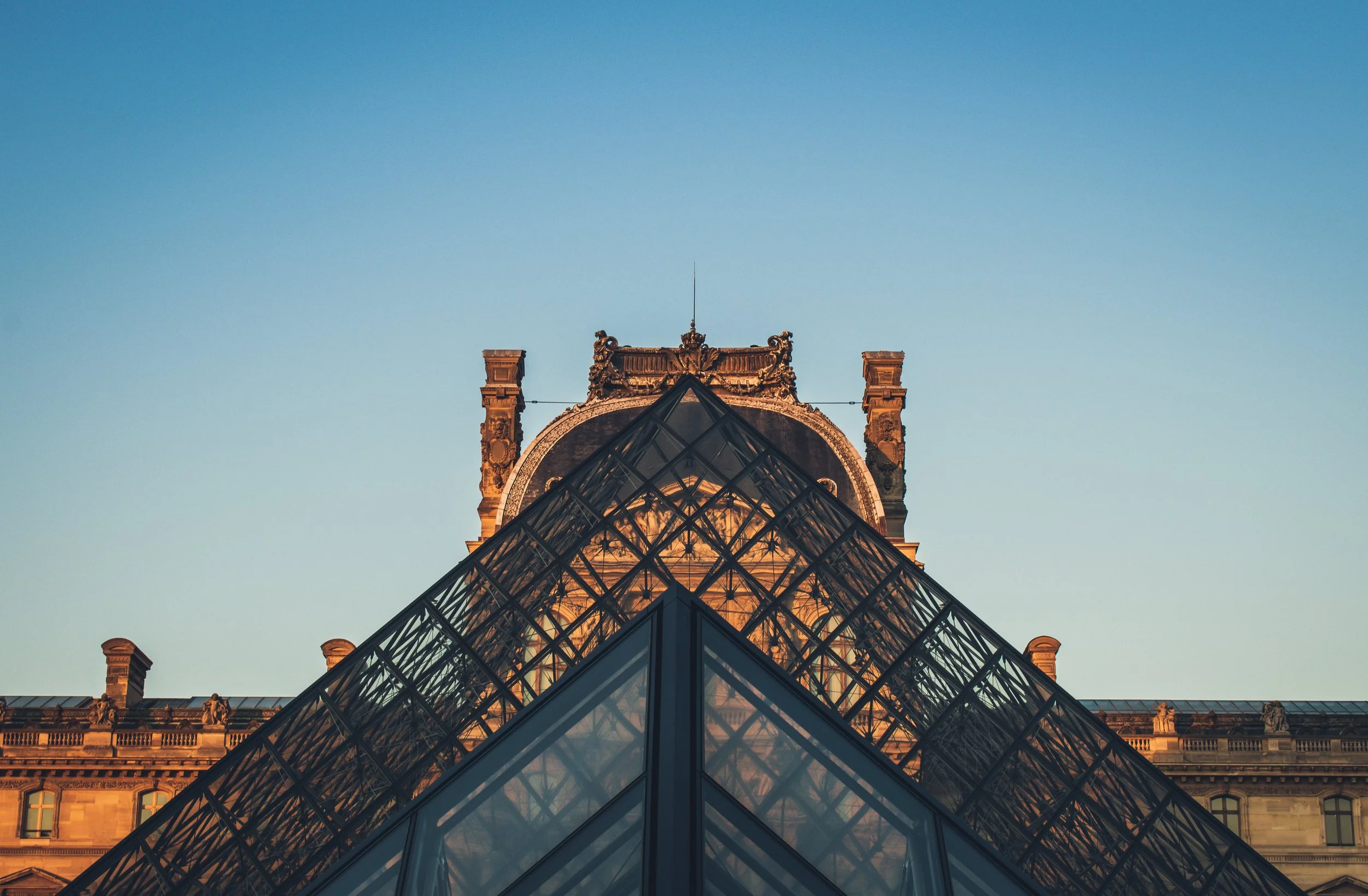
A few days ago, a robbery at the Louvre reminded us that value does not always lie in what something costs. Someone stole jewels, but what truly disappeared was the narrative that made them unique. We obsess over the shine, forgetting that nothing holds value on its own. Gold without a story is just metal. And luxury—like art or identity—only exists when it is sustained by narrative.
We often assume that something is more valuable because it shines, weighs more, or costs more. But diamonds, works of art, crown jewels—none of them hold value inherently. They do so because we collectively agree that they do.
Here’s how it works.
1. Material value ≠ symbolic value
A diamond is valuable because someone decided it is—not because it shines more than a piece of glass. Its real value emerges from cultural consensus: a mix of history, desire, and perceived scarcity.
In the words of Pierre Bourdieu, value is symbolic capital—something not measured in money, but in status, meaning, and legitimacy. That is why a queen’s ring is worth more at auction than an identical one made yesterday. The object did not change. The narrative did.
2. The forms of capital that sustain value
Economic capital is the loudest, but also the most fragile. It loses power the moment it lacks witnesses. As Bourdieu explains, forms of capital sustain one another.
Economic capital buys access.
Cultural capital—education, taste, language, art—opens doors money alone cannot.
Social capital—networks, reputation, trust—allows you to remain.
And symbolic capital—prestige, purpose, identity—transforms everything into legacy.
In short:
Money gets you in.
Cultural capital gives you a seat.
Social capital keeps you at the table.
Symbolic capital ensures you are remembered.
This is why the most perceptive people invest money in experiences, relationships, and symbols—not in possessions. Everything else expires.
Grigori Perelman: The man who refused a million dollars
We are talking about the Russian mathematician who solved one of the most complex problems in mathematics—the Poincaré Conjecture—and then declined both the Fields Medal and the one-million-dollar prize.
The story circulated widely, and I came across it almost by accident. In the comments, one line stayed with me for days:
“Someone so extraordinary could not be recognized with something as ordinary as money.”
That sentence captures what thinkers like Bourdieu, Camus, and Borges might have said over a glass of wine: true value does not require witnesses or trophies. Greatness does not seek approval—it seeks coherence.
Perelman did not reject the money out of pride, but out of principle. As he put it: “If my proof is correct, I do not need any recognition. If it is not, I do not want any.”
And when asked about the money, he responded with a calm clarity that only comes from someone who has already found meaning:
“The void is everywhere and can be calculated, which gives us great opportunities. I know how to control the universe. So tell me, why should I run after a million?”
And there it is.
Money and awards are useful when what you seek is external validation. But at a certain level—Perelman’s, or anyone driven by deep vocation—value stops being transactional and becomes existential.
Money recognizes what you do.
Honor recognizes what you achieve.
But purpose recognizes who you are.
And that cannot be bought, awarded, or stolen.
Only lived.


3. Luxury feeds on myth
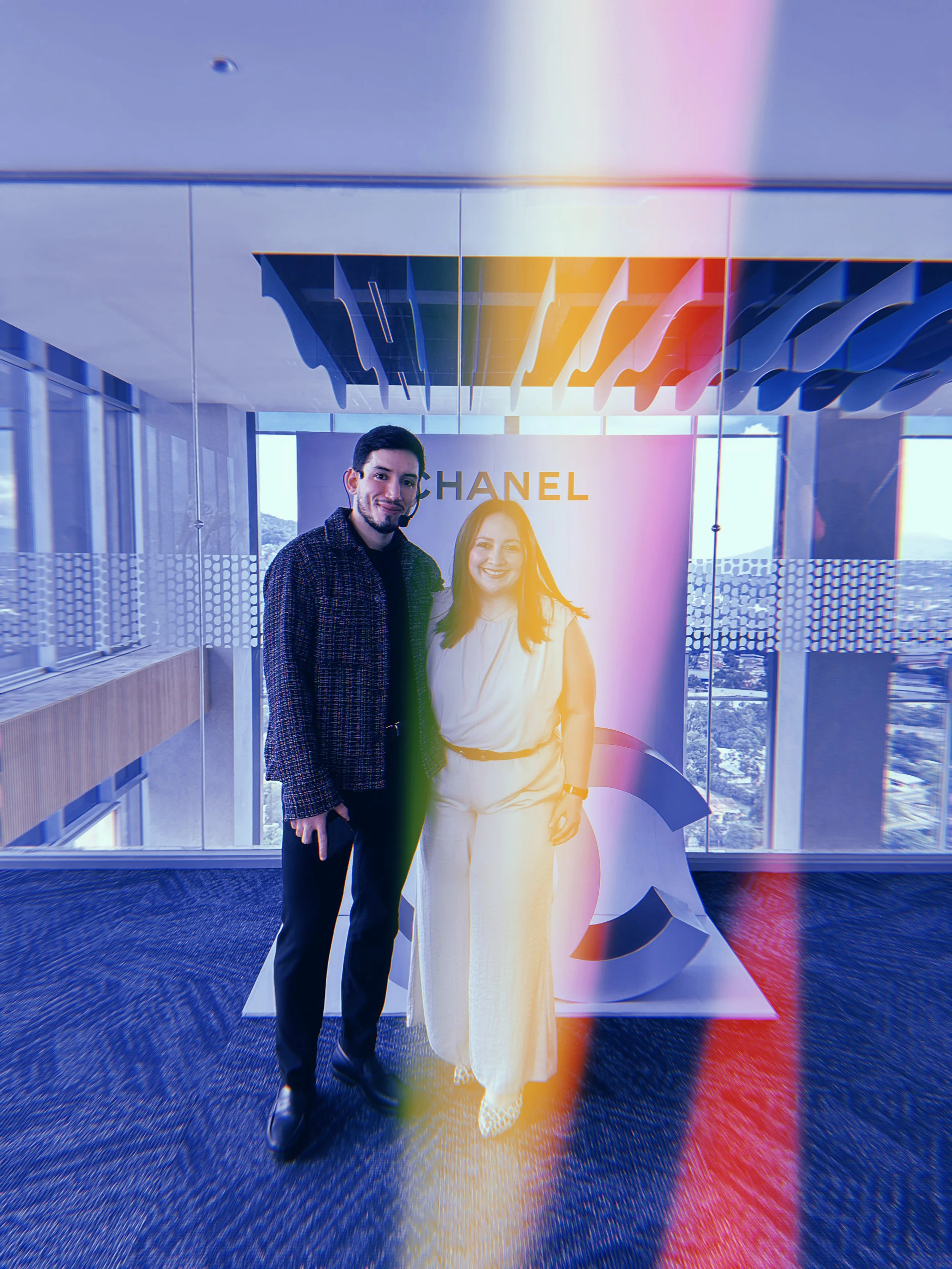
Brands have known this for centuries. Cartier, Hermès, Chanel—they do not sell objects; they sell ritualized narratives. A Hermès bag is not valuable because of the leather, but because it represents access to a world where everything is shaped by time, mastery, and control.
Luxury is the only industry where the product matters less than the story that sustains it. Chanel does not sell perfume; it sells the idea of being the kind of woman who leaves a trace. Cartier does not sell gold; it sells belonging to a circle where gold is not enough.
4. Art and modern branding are the same alchemy
An artist and a brand strategist work with the same materials: signs, symbols, and desire. Both transform the ordinary into the sacred. The secret lies in the invisible intention behind the object.
When an artist places an everyday object in a museum, it becomes sacred—Marcel Duchamp did it with a urinal. When a brand turns soap into ritual, it becomes luxury—Le Labo, Aesop. It is not the object that changes, but the frame that contains it.
5. Symbolic value is always relational
Time is the only factor the market cannot manufacture. An object gains value as it passes through erosion—through use, friction, and history. That is why an inherited ring or a glass worn by countless dinners carries more weight than something new.
True luxury is not what shines, but what endures. What resists transience. What makes you look twice and remember who you were when you first encountered it. Because in the end, luxury is not about possession—it is about preservation.
Real value does not lie in price, but in narrative. That is why the brands, people, and works that endure do not compete for attention—they construct meaning.
Economic capital can buy visibility, but only symbolic capital grants permanence. And that, in the end, is the only form of luxury that cannot be stolen: to hold a story worth more than gold, even when gold itself no longer holds value.
