
Old Money Is Cosplay

Napoleon understood early on that clothing is never just clothing. As Frédéric Godart recounts, in a calculated gesture, Bonaparte would dress in the simple uniforms of his soldiers while simultaneously wearing the insignia of an emperor. That contrast allowed him to project both proximity and authority. It wasn’t fashion—it was power.
In a parallel gesture, around the same time, Antonin Carême—widely considered the first great chef—began wearing the now-iconic white uniform in the kitchen. The word chef means “leader” in French, and the uniform became a symbol of order and hierarchy within a space that had previously been invisible. What appeared to be a simple garment was, in reality, another form of symbolic power.
Two centuries later, we are still playing the same game. Only now we call it the old money aesthetic on TikTok, dress it up as lifestyle on Instagram, and consume it as if style could transfer—by osmosis—the influence of an elite to which we do not belong.
A provocative phrase circulates on TikTok: “old money is cosplay.” It’s not mine, but it serves as a useful starting point to understand how fashion does not merely cover the body—it performs belonging.

Judith Butler would describe it as performance: to dress is to play a role before a social audience. Every blazer, scarf, or polo within this aesthetic functions as a script that imitates belonging to an elite.
Susan Sontag warned us long ago: style is never superficial—it is always political. A wardrobe is a silent manifesto of the place we occupy—or aspire to occupy—in the world.
And it is Pierre Bourdieu who offers the most precise lens. For him, elites sustain themselves through symbolic capital—last names, education, networks, rituals of belonging—not merely through visible objects. Acts of distinction work precisely because they are difficult to replicate. And when they are successfully imitated, elites simply shift the signal: if the scarf becomes accessible to everyone, then what matters is where you studied, who you know, or the name you carry.
In other words, the old money aesthetic can replicate the uniform, but it cannot reproduce habitus—that set of dispositions and ways of being in the world that are inherited and embodied, not purchased at Zara or Ralph Lauren.
All it takes is opening Pinterest or scrolling through TikTok to see the staging: knit vests, camel blazers, pristine white sneakers, Ivy League campuses as backdrops. Everything framed within an aspirational aesthetic that promises the same thing Napoleon and Carême achieved with their uniforms: the projection of power.
But the phenomenon is not in the clothes themselves—a fabric or a blazer means nothing on its own—it lies in the narrative constructed around them. It is in the gesture of sipping coffee from fine porcelain, posing in front of a Georgian gate, simulating a legacy surname when all we really have is a vintage filter.
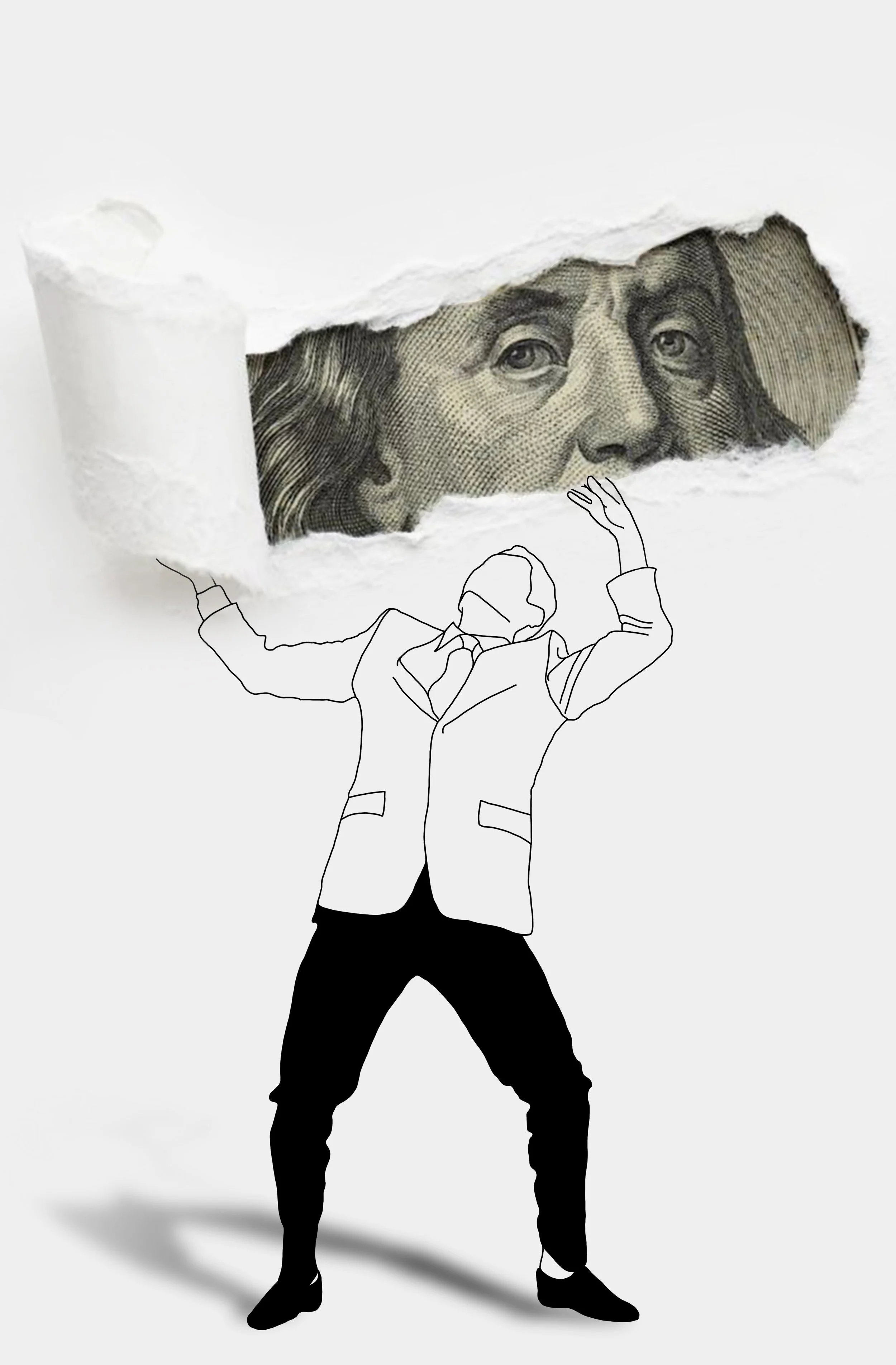
The same dynamic plays out within our own geography. In the early 2000s, the most exclusive areas of the country replicated the aesthetics of the Spanish ranch: terracotta tiles, arches, heavy columns evoking haciendas and inherited lineage. Two decades later, that symbol of status no longer holds the same power. Today, aspiration has shifted toward minimalist apartments—the “Brickell condo” look of glass and steel. Symbolic capital evolves: what once signaled status now feels outdated, and distinction migrates toward new forms that are harder to imitate.
Frédéric Godart reminds us that fashion is not a frivolous impulse, but a field of power governed by its own rules. Aesthetic symbols function as a kind of currency, used by elites to mark distance and redraw boundaries. What is aspirational today ceases to be so the moment it becomes accessible. That is why the signals continuously shift: from Spanish ranches to minimalist apartments, from classic pearls to discreet designer pieces, from the photo at the golf club to the escape to destinations few can afford.
From the field of public image, Víctor Gordoa frames it in strategic terms: dressing is never just about looking good, but about projecting power. Clothing, gestures, and environments operate as tools of nonverbal communication, signaling hierarchy, confidence, and belonging. Napoleon understood it through uniforms, Carême institutionalized it through the white chef’s attire, and today we replicate it in every carefully curated outfit for Instagram.
The real question is: why do we seek validation through this kind of power? Why, even knowing that the polo blazer or the silk scarf are not enough, do we insist on wearing the costume?
Judith Butler reminds us that identity itself is performance. We are not something fixed or essential—we are the repetition of acts, gestures, and styles that, over time, begin to feel natural. The old money aesthetic is simply an updated version of that script: a digital stage where we rehearse belonging to a club we were never invited to.
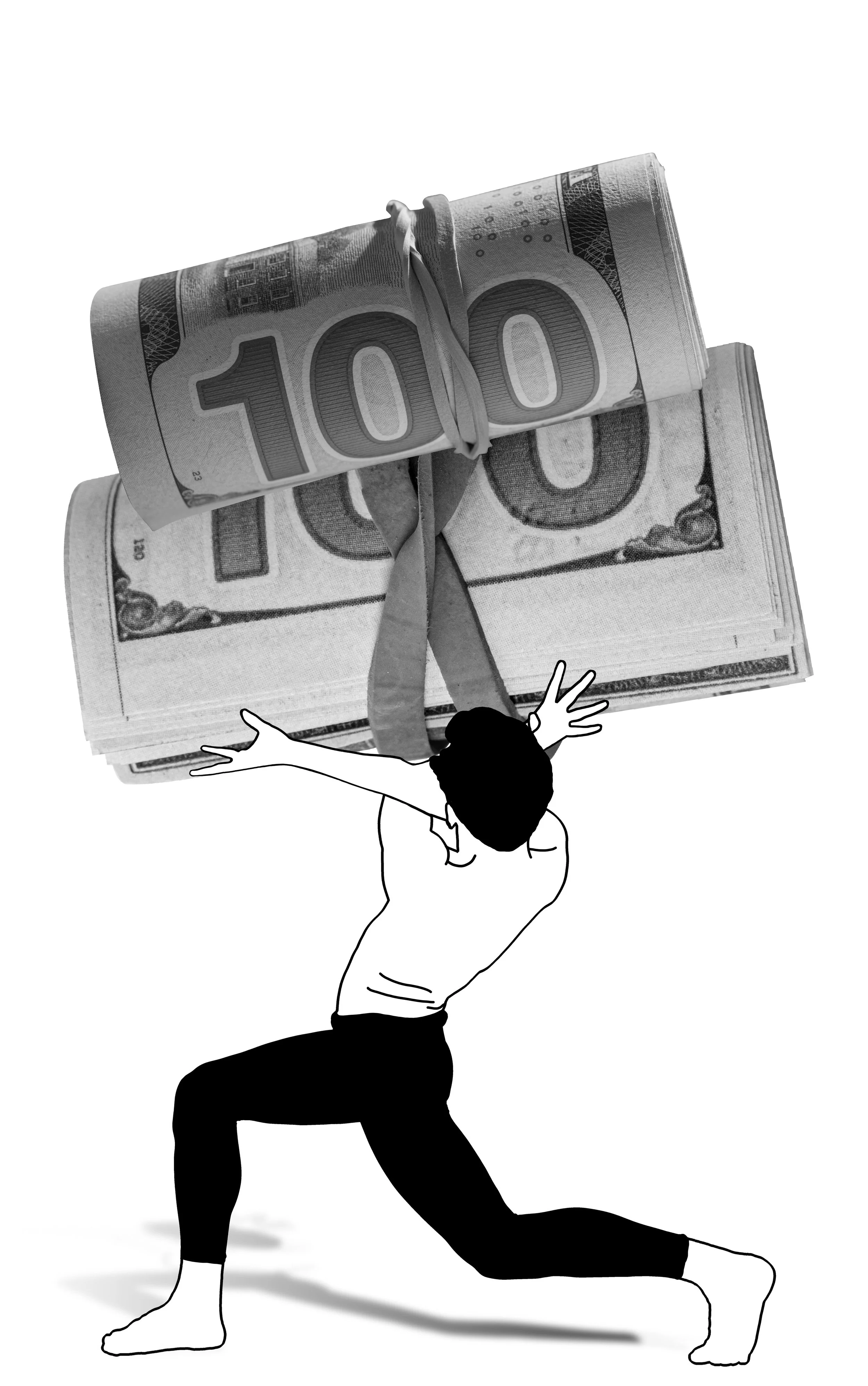
The problem is that this performance intersects with the digital narcissism of our time. Zygmunt Bauman described it as liquid modernity: fragile identities that require constant reaffirmation. Jean Twenge examined it as the “culture of the self”—an entire generation measuring its worth in likes, followers, and external validation. In this context, fashion stops being merely about style and becomes a kind of social QR code: a shortcut to say, look at me, I belong, I matter.
But this is where it is worth pausing. Pierre Bourdieu taught us that the most valuable form of symbolic capital is always the hardest to fake: credibility, coherence, reputation, legacy. You can buy the blazer, but not the habitus. You can pose in a “Brickell condo,” but you cannot manufacture the network of social capital that allows your name to open doors.
And so, the question shifts direction: what other forms of power do we hold, beyond the aesthetic? Creative power, relational power, influence within our communities, spiritual or intellectual power. Perhaps the real challenge is not to replicate someone else’s uniform, but to recognize the capital we already possess—and learn how to cultivate it.
Ultimately, fashion does matter—but as metaphor. It reminds us that we are always “wearing” something in front of others. The point is not to deny the performance, but to ask: from which script are we performing? From imitation and the anxiety of belonging, or from authenticity and the construction of a power that is difficult to counterfeit?
That is the space where the difference is decided—between the cosplay of power and power itself.
